Product Name: Sodium Hydroxide
Synonyms: Caustic Soda, Lye
CAS Number: 1310-73-2
Recommended Use: Cleaning agents, chemical manufacturing, pH regulation, petroleum refining, pulp and paper production
Manufacturer/Distributor: Major chemical suppliers and distributors
Emergency Contact: CHEMTREC +1-800-424-9300
Classification: Corrosive to metals, causes severe skin burns and eye damage, target organ toxicity (single exposure)
GHS Label: Danger
Hazard Statements: Causes severe skin burns and eye damage. May be corrosive to metals. Harmful if inhaled or swallowed.
Pictograms: Corrosive (test tube pouring on hand and metal), exclamation mark
Precautionary Statements: Avoid all contact with skin and eyes, wear protective gloves, avoid inhaling dusts or mists, use only in well-ventilated spaces
Chemical Name: Sodium Hydroxide
Concentration: 100% for pure substance; diluted forms vary
Common Impurities: Trace sodium carbonate, water
Other Ingredients: Not typically present in analytical grade
Inhalation: Move person to fresh air, keep at rest, seek immediate medical attention
Skin Contact: Remove any contaminated clothing, flush skin with plenty of water for at least 15 minutes, do not apply neutralizing chemicals, seek medical attention
Eye Contact: Rinse cautiously with water for at least 15 minutes, hold eyelids open, remove contact lenses if easy, get medical help immediately
Ingestion: Rinse mouth, do not induce vomiting, give water if conscious and medical attention is on hand, seek medical care right away
Most Important Symptoms: Painful burning, redness, severe irritation, possible permanent damage to skin, eyes, lungs, and internal organs
Suitable Extinguishing Media: Use water spray, dry chemical, carbon dioxide, alcohol-resistant foam.
Unsuitable Media: Do not use water jet directly on sodium hydroxide as it generates heat.
Special Hazards: Sodium hydroxide does not burn but reacts with metals forming explosive hydrogen gas; generates heat and caustic aerosol in contact with water
Protective Equipment: Firefighters require full emergency gear, face shield, self-contained breathing apparatus
Firefighting Advice: Keep runoff water out of sewers and waterways, cool containers exposed to fire with water spray from a safe distance
Personal Precautions: Wear chemical-resistant gloves, long sleeves, goggles or face shield, NIOSH-approved respirator if dust/mist present
Environmental Precautions: Prevent entry into drains, surface water, or soil; sodium hydroxide alters local pH and harms aquatic organisms
Methods for Cleanup: Cover spill with inert absorbent material (sand, vermiculite), collect into labeled containers for disposal, flush residual area with plenty of water, neutralize only if trained and permitted under site protocol
Decontamination: Wash tools and surfaces thoroughly after cleanup, maintain local exhaust in spill areas
Handling Practices: Handle in a chemical fume hood or well-ventilated area; use tools and containers made of compatible materials such as certain plastics or stainless steel, avoid contact with water on concentrated solid or solutions
Storage Conditions: Keep container tightly closed, store in a dry, cool, well-ventilated place away from acids, oxidizers, organics, ammonium compounds, soft metals such as aluminum
Special Procedures: Label all containers with a hazard warning, keep separate from incompatible materials, have an eyewash and safety shower available nearby
Permissible Exposure Limits: OSHA PEL: 2 mg/m³ Ceiling; ACGIH TLV: 2 mg/m³ Ceiling
Engineering Controls: Local exhaust ventilation, chemical fume hoods
Personal Protective Equipment: Impermeable gloves (neoprene, nitrile, or rubber), splash-proof goggles, face shield, chemical-resistant apron, closed-toe shoes
Respiratory Protection: Wear NIOSH-certified respirators when dust or mist might be present, particularly during large spills or confined space use
Hygiene Measures: Wash hands, face, and contaminated clothing after handling, do not eat, drink, or smoke in work area, change contaminated clothing immediately
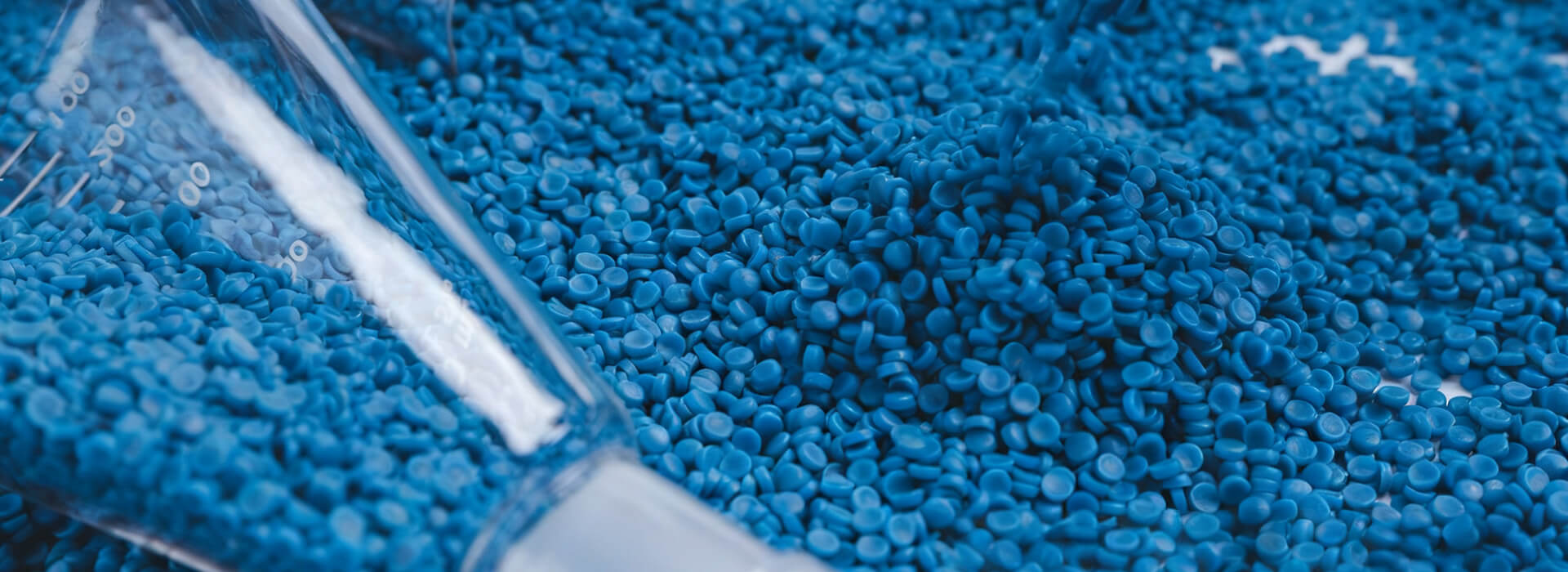
Appearance: White, odorless pellets, flakes, granules, or solid mass; readily dissolves in water
Odor: Odorless
pH (1% solution): About 13-14
Melting Point: 318°C (604°F)
Boiling Point: 1388°C (2530°F)
Density: 2.13 g/cm³
Solubility: Highly soluble in water, exothermic reaction
Vapor Pressure: Not significant at room temperature
Flash Point: Not combustible
Other: Reacts vigorously with acids and water, forming heat and corrosive vapors
Chemical Stability: Stable under recommended storage conditions, moisture sensitive (absorbs CO₂ and water from air)
Reactivity: Violent reaction with acids, ammonium compounds, chlorine, organic halides, soft metals such as aluminum or zinc
Hazardous Decomposition: Hydrogen gas (from contact with metals), caustic mist, heat
Incompatible Materials: Acids, halogenated organics, metals, nitro compounds, wool, leather, certain plastics
Polymerization: Does not occur under normal conditions
Routes of Exposure: Inhalation, skin and eye contact, ingestion
Acute Effects: Severe burns to skin, eyes, and mucous membranes, respiratory irritation, pain, tissue destruction, risk of blindness, gastrointestinal burns
Chronic Effects: Prolonged skin exposure leads to dermatitis and chronic ulceration, repeated inhalation damages respiratory tract
LD50: Oral (rat): 140-340 mg/kg
Symptoms of Overexposure: Deep tissue injury, scarring, possible permanent organ damage, pulmonary edema if inhaled in significant quantities
Carcinogenicity: Not classified as carcinogen by NTP, IARC, or OSHA
Reproductive Effects: Not considered a reproductive hazard
Toxicity to Aquatic Life: Highly toxic to aquatic organisms due to pH shift
Persistence and Degradability: Does not bioaccumulate, neutralizes in environment
Bioaccumulation Potential: Not bioaccumulative
Mobility in Soil: Soluble and highly mobile, changes local soil and water chemistry
Other Adverse Effects: Spills alter ecosystems by harming fish, aquatic invertebrates, and plant life; pH shifts can devastate local habitats
Waste Treatment Methods: Neutralize with dilute acid under controlled conditions, follow with copious water dilution, confirm pH before discharge
Hazardous Waste Number: D002 (RCRA corrosive waste)
Disposal Containers: Plastic or corrosion-resistant lined drums
Sewer Disposal: Prohibited unless neutralized and allowed by local regulations
Other Disposal Considerations: Contract a licensed hazardous waste disposal firm, handle residues and contaminated packaging as hazardous waste
UN Number: UN1823 (Solid), UN1824 (Solution)
Proper Shipping Name: Sodium Hydroxide, Solid or Solution
Hazard Class: 8 (Corrosive)
Packing Group: II
Labeling: Corrosive, Marine Pollutant (for bulk shipments)
Transportation Precautions: Secure containers, keep upright, avoid climatic extremes, ensure emergency equipment is available
Regulations: Comply with DOT, IMDG, ICAO/IATA, local transport rules
OSHA: Listed as hazardous chemical, requires safety and health training
TSCA: Listed on the Toxic Substances Control Act Inventory
SARA Title III: Not listed as extremely hazardous, subject to reporting under Section 313 for some uses
Right-to-Know (USA): Listed in Massachusetts, New Jersey, Pennsylvania
WHMIS (Canada): Class E – Corrosive Material
Other International Rules: Controlled under EU REACH regulations, subject to specific workplace exposure limits in many countries; hazard communication must be maintained throughout supply chain